
It’s barely June, the school routines have officially stopped, and if you hear the phrase “I’m bored” one more time, you might just melt down yourself. For parents of autistic children or kids with sensory processing differences, summer break can feel less like a vacation and more like a stressful navigation of unstructured time. Without the predictable rhythm of the classroom or therapy schedule, behavioral escalations can skyrocket.
So, how do we keep our little ones engaged, regulated, and happy without losing our minds?
The answer is hiding right in your pantry.
While it might look like a recipe for a giant mess, baking is actually one of the most powerful, naturally reinforcing sensory diet tools available. By using a few core principles from Applied Behavior Analysis (ABA), we can transform a simple baking session into a highly structured, calming activity that builds functional skills and satisfies deep sensory needs. Grab your mixing bowls and put on your apron because here is how to turn baking into a therapeutic, fun summer win!
Why Baking is a Sensory Powerhouse
1. The “Heavy Work” Dough Play
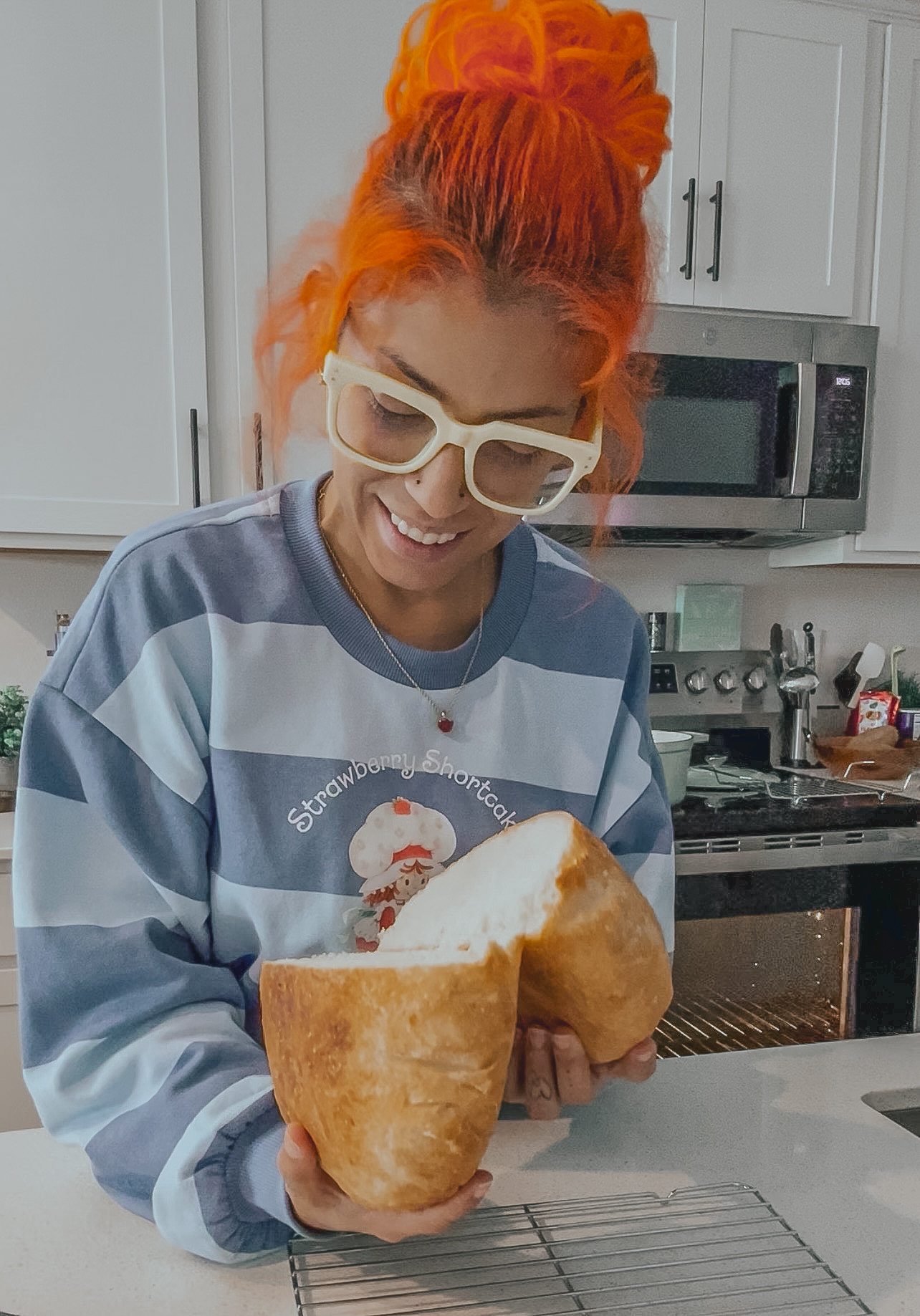
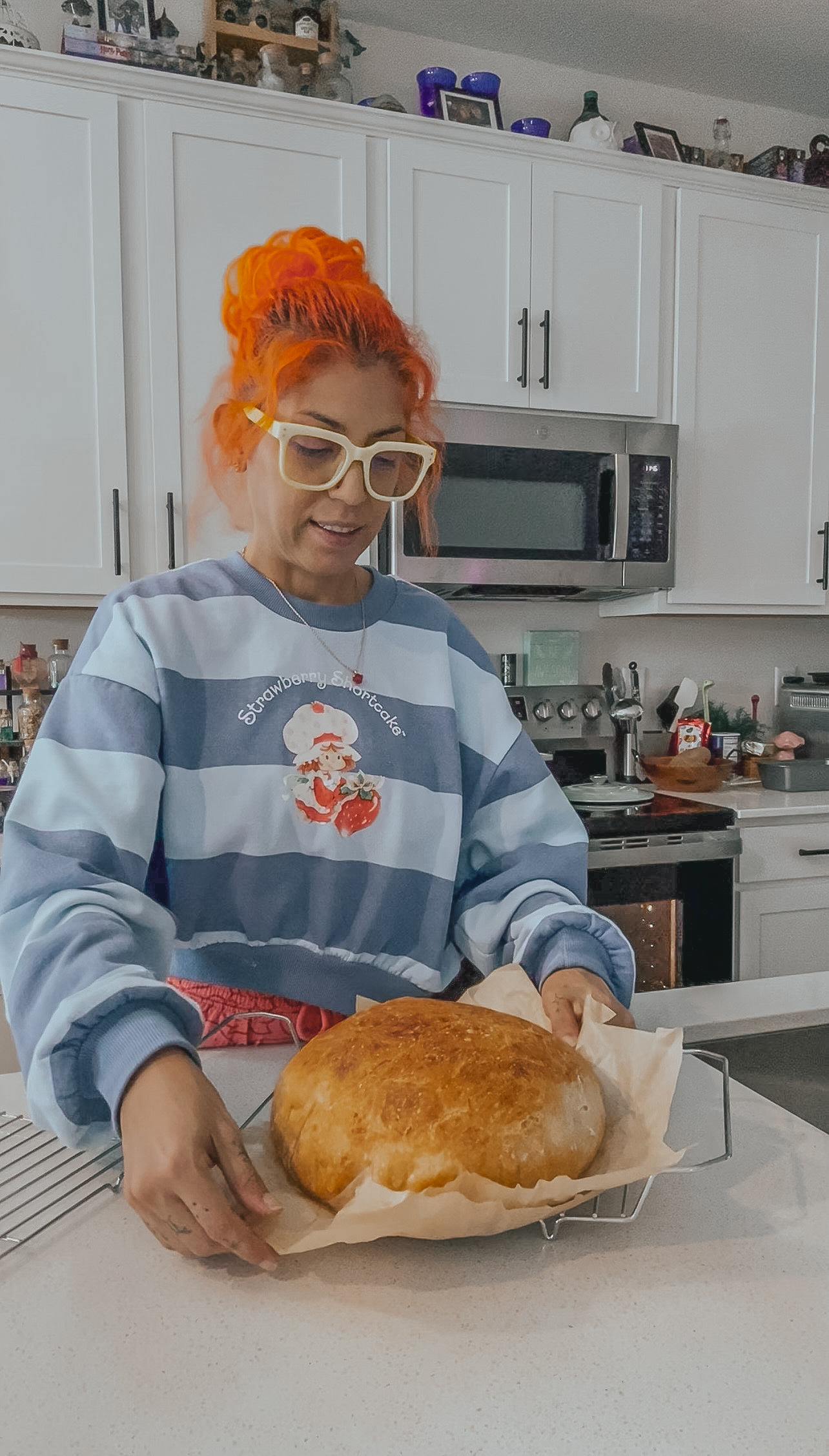
Instead of just making quick cookies, focus on recipes that require kneading or rolling, like soft pretzels or bread.
- Sensory benefit: Kneading dough uses large muscles in the arms and shoulders, which is incredibly grounding for high-energy or easily overwhelmed kids.
- Tip for parents: Give the child their own small piece of dough to smash, punch, and roll out while you handle the main batch.
2. The Flour/Sugar Sandbox
Turn the prep work into an activity.
- Sensory benefit: High-tactile exploration.
- Tip for parents: Put a large baking sheet or rimmed tray on the counter or floor. Let your child practice scooping, pouring, and drawing shapes or letters in a thin layer of flour or sugar before it goes into the bowl.
3. Exploring Temperatures and Textures
Baking involves a lot of contrasting sensations.
- Sensory benefit: Helps children who are sensitive to textures get used to different feelings on their hands in a safe, rewarding environment.
- Tip for parents: Let them feel the cold butter versus room-temperature water. Talk about the textures: “Is this sticky? Is this smooth?” If a child hates having sticky hands, keep a damp washcloth nearby so they feel safe exploring without panic.
4. Edible Sensory “Paints” & Decorating
Decorating is great for fine motor skills and visual stimulation.
- Sensory benefit: Fine motor control and visual/taste exploration.
- Tip for parents: Use yogurt dyed with food coloring or simple icing. Let them use clean paintbrushes, their fingers, or a spoon to “paint” sugar cookies or muffins. Introduce crunchy toppings like sprinkles, chocolate chips, or crushed graham crackers.
The Secret is Turning a Recipe into a Visual Task Analysis
If you open a standard cookbook, you’ll usually see a big block of text like this: “In a medium bowl, whisk together the dry ingredients, then slowly incorporate the wet ingredients until a thick dough forms.”
For an autistic child, that block of text can feel like cognitive overload. To keep things fun, calm, and successful, we are going to use an ABA tool called a Task Analysis. This is just a fancy way of saying: We are breaking a big, overwhelming task down into bite-sized, predictable steps.
When children know exactly what to expect, anxiety drops, behavioral escalations decrease, and independence goes through the roof! Plus, baking has a built-in natural reinforcer (the delicious treat at the end), which means motivation is already high.
Here is a fun, visual way to structure “Baking Bread” session.
Phase 1: The Setup (Establishing the Boundaries)
Before you even touch the ingredients, set up your workspace to reduce distractions.
- The “First/Then” Board: Create a First-Then board. Write FIRST: Bake and THEN: Movie (or whatever high-value reward your child loves).
- The Workspace: Give your child a designated spot, like a specific placemat or a tray. This defines their physical boundary and helps with spatial awareness.
Phase 2: The Step-by-Step Task Analysis
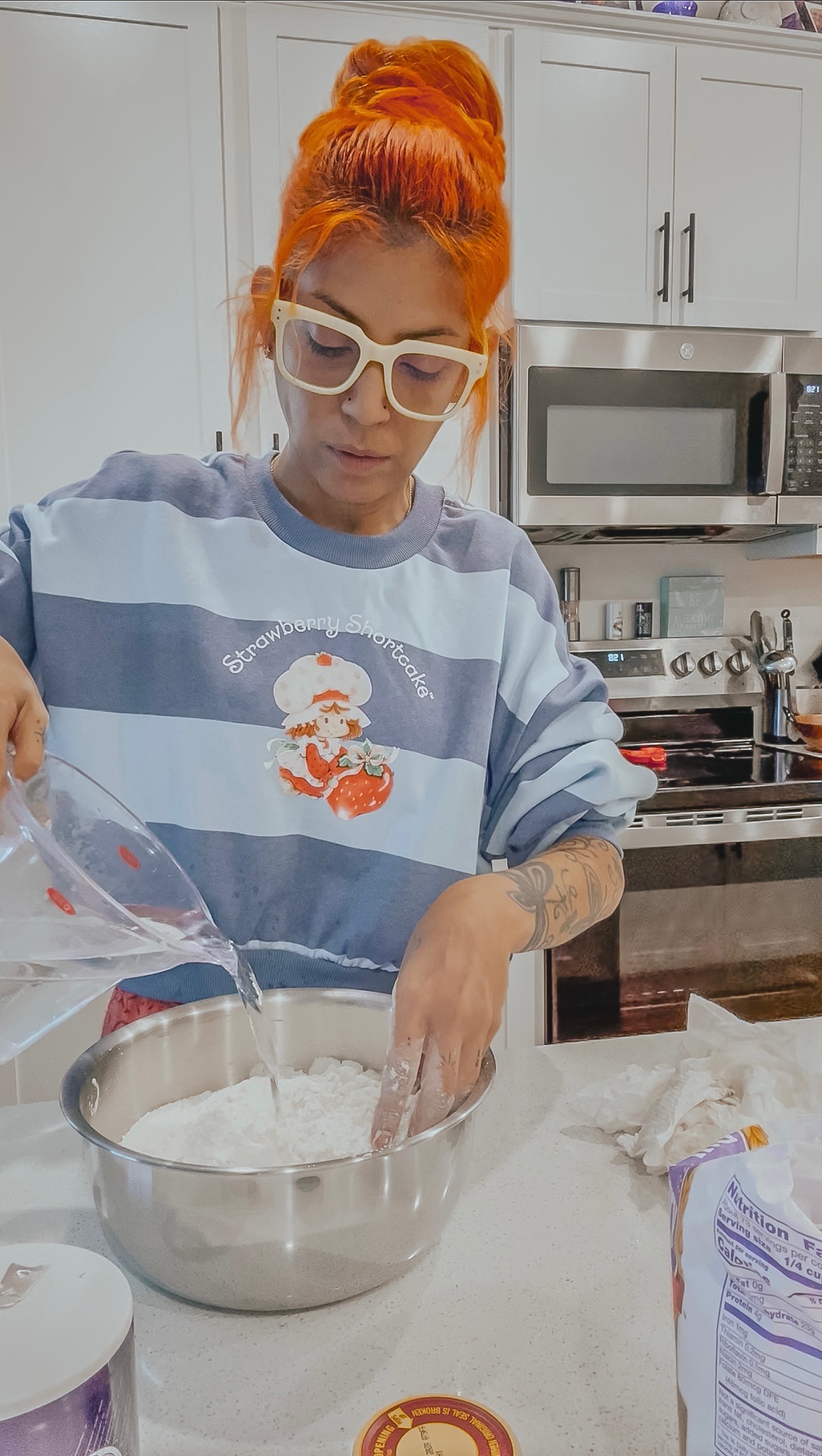
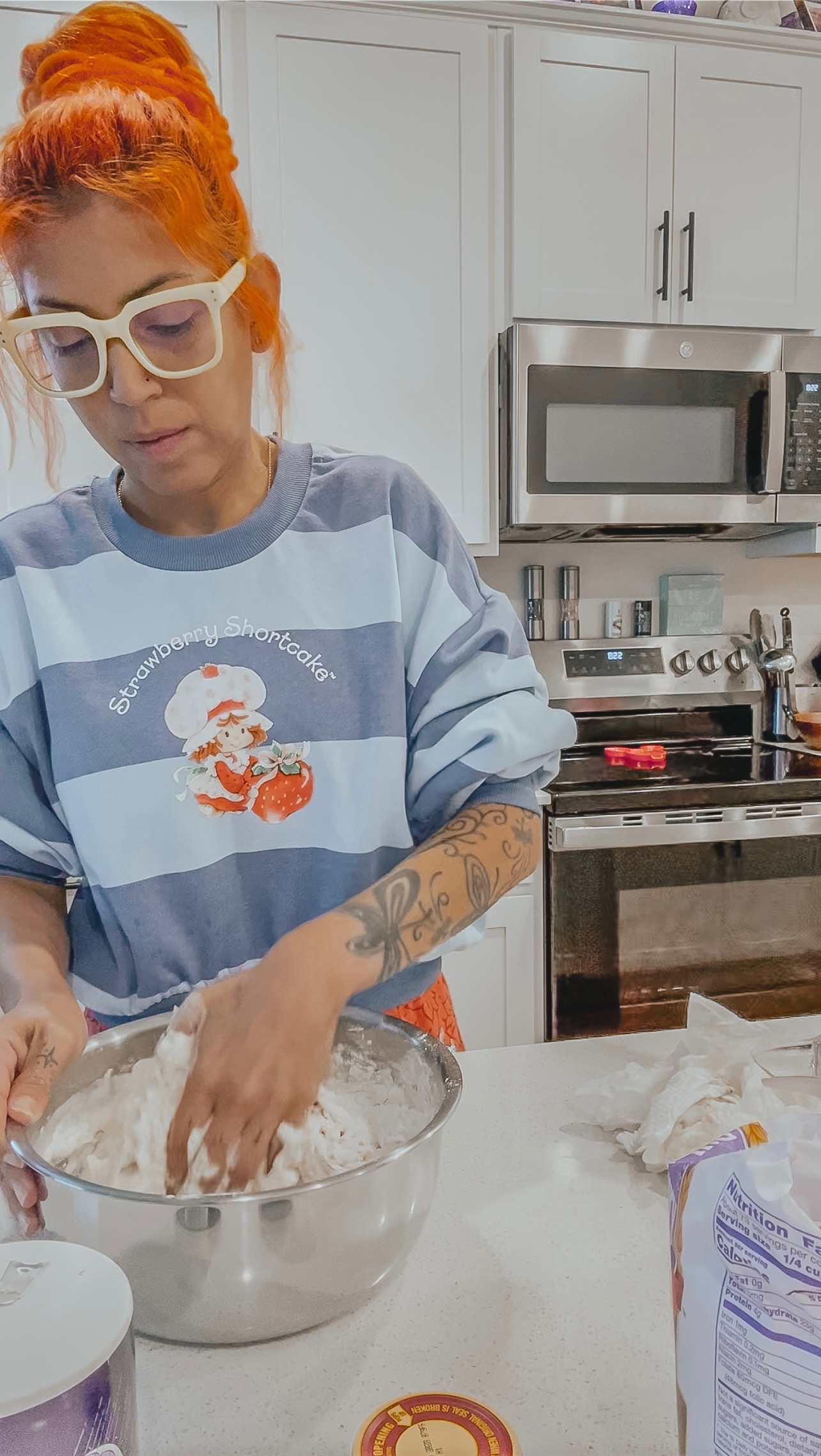
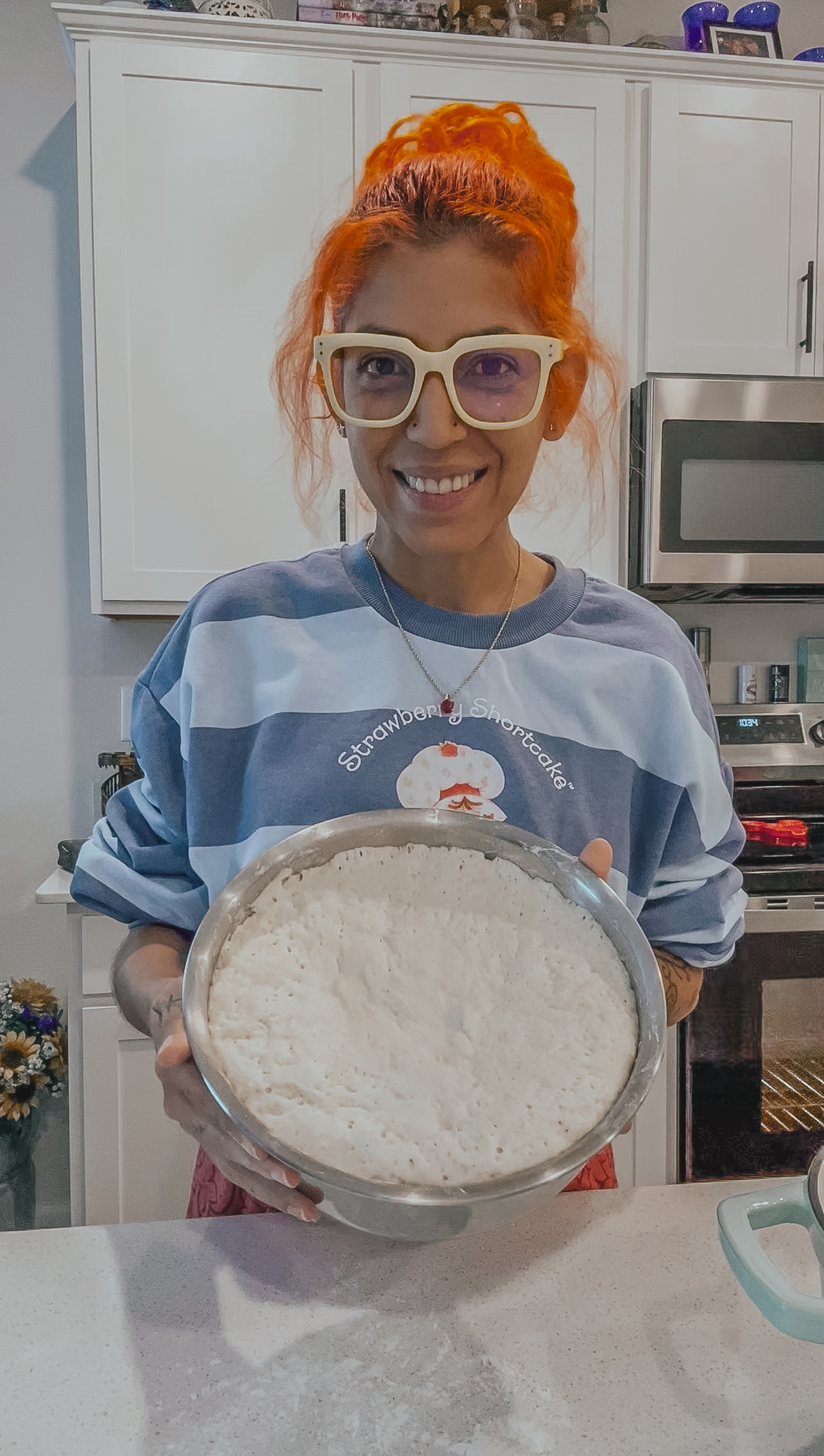
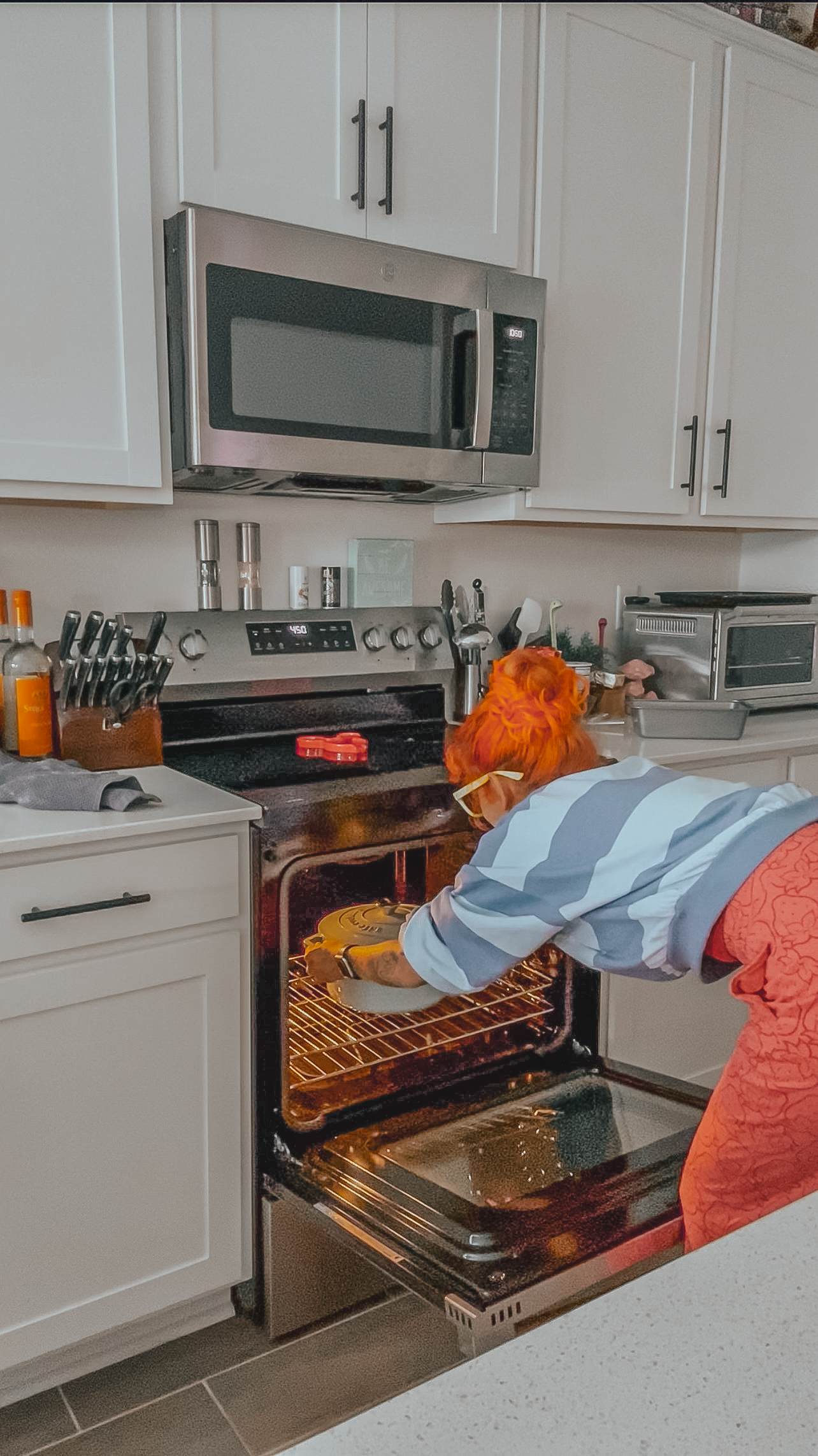
Tip: I like to record myself during the process, from there I can create a visual schedule for my kiddos to follow.
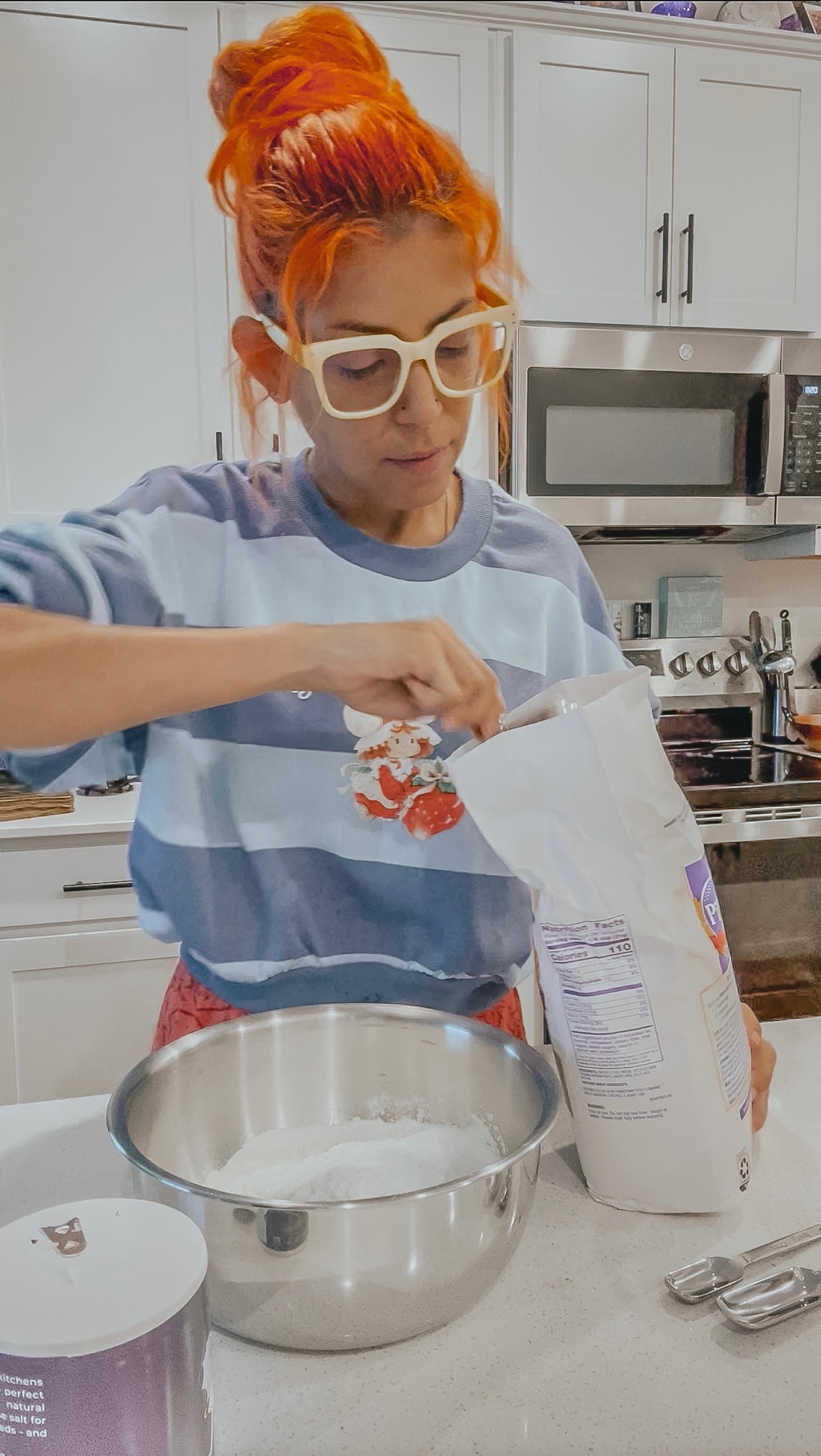
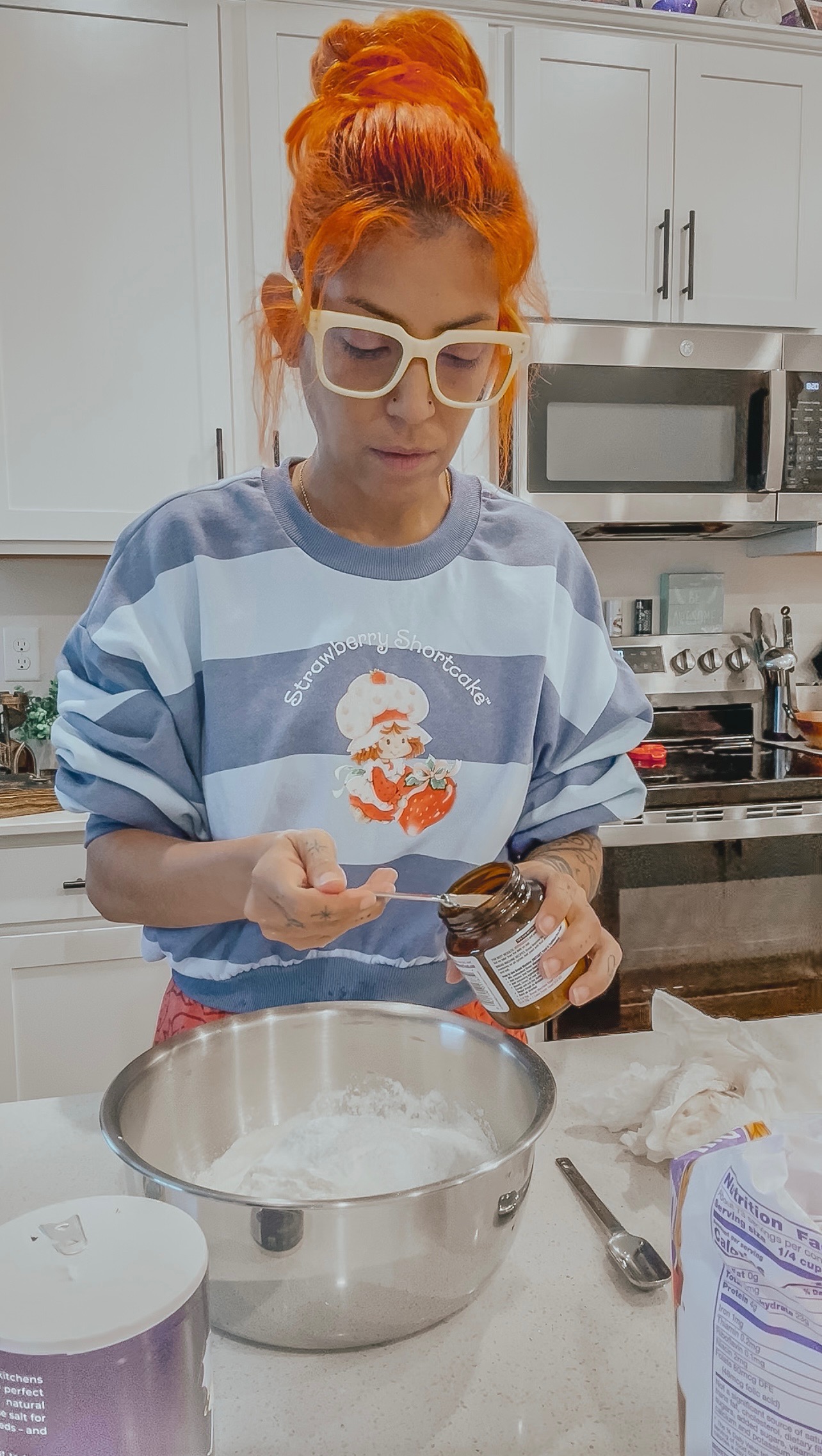
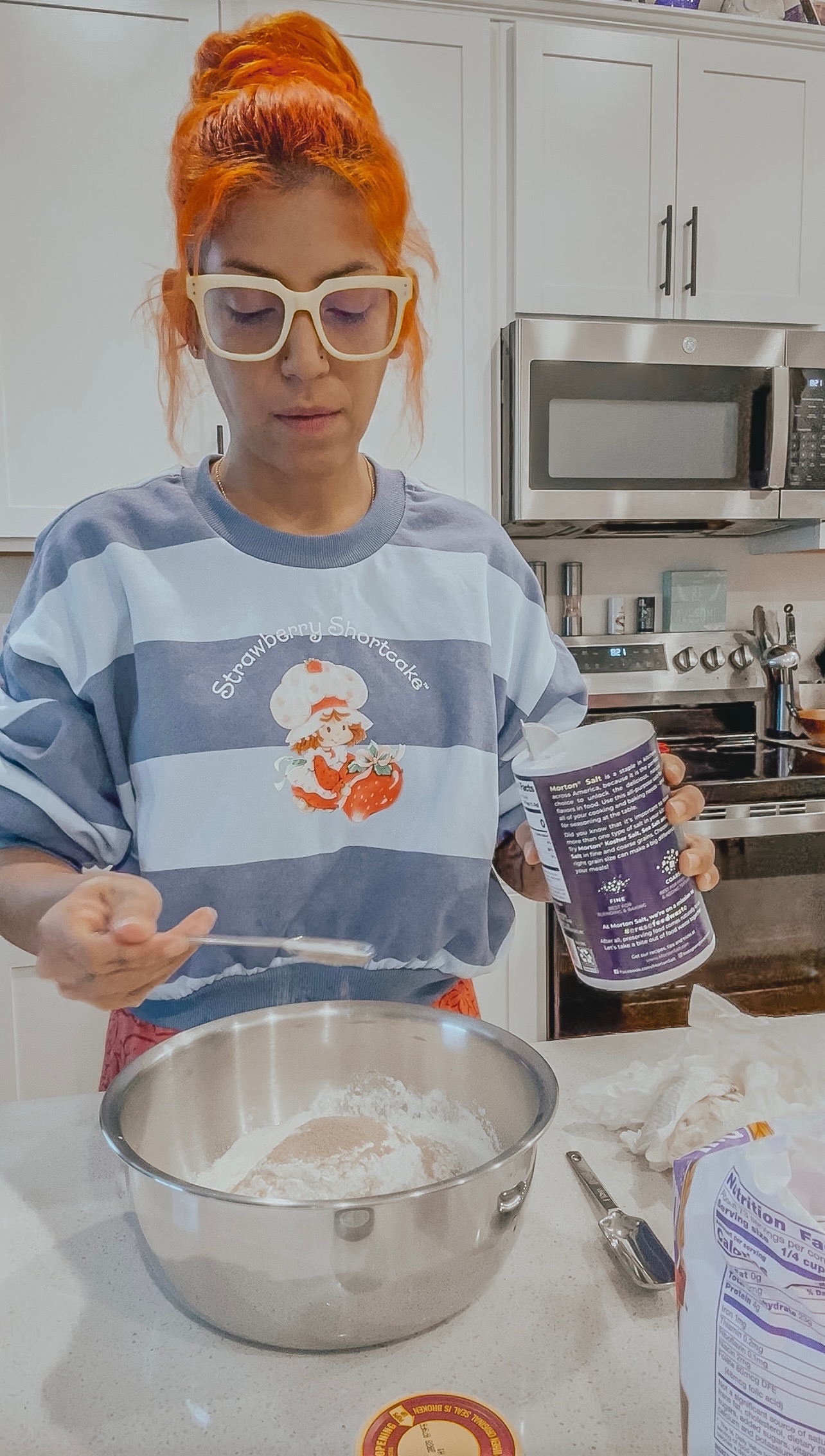
- [ ] Step 1-3: Pour the Flour, Yeast, & Salt. (Great for visual tracking).
- [ ] Step 4: Pour the Water. (Sensory Alert! If your child is tactile-defensive, let them use a potato masher or a wooden spoon. If they love sensory seeking, let them squish the softened butter with their hands!).
- [ ] Step 5: Heavy Work Time! Stir the dough until it gets thick and heavy. (This is where the proprioceptive magic happens. When the dough gets tough to stir, it wakes up their muscles and helps calm their nervous system).
- [ ] Step 6: Timer Duty. Turn on the oven light, set the timer, and watch the dough rise!
- [ ] Step 7: Roll and Knead. Roll the dough and knead
- [ ] Step 8: Timer Duty. Bake in the oven
- [ ] Step 9: Let cool. Enjoy!!!

Pro-Tips for Parent Success (The ABA Cheat Sheet)
- Use Behavioral Momentum (High-P): Is your child hesitant to touch the sticky cookie dough? Build up momentum first! Give them three quick, super easy tasks they love or always get right. “Give me five! Touch your nose! Do a silly dance! Now… push the button on the mixer!” By the time they get to the kitchen task, they are already in a rhythm of saying “yes” and succeeding.
- Errorless Learning (Prompting): Don’t wait for your child to spill the flour or get frustrated before you step in. Use Hand-Over-Hand prompting (placing your hands gently over theirs) to guide the cup into the bowl successfully. As they get the hang of it, fade your help by just guiding their elbow, and eventually just pointing! Experiencing constant success keeps the kitchen a happy, safe space.
- The Escape Hatch: Always keep a damp, warm washcloth right next to the bowl. If your child gets sticky dough on their hands and starts to feel sensory overload, they don’t need to meltdown to escape the feeling—they have an immediate, safe way to clean up and reset.


Leave a Reply